KYC/KYB Verification Confirms Individual Identities and Business Ownership Inside Salesforce
Onboard Legitimate Customers With Confidence
Verify individuals and businesses in seconds with real-time Thomson Reuters CLEAR data. Our Salesforce-native workflow simplifies KYC verification and KYB business verification, helping your team onboard customers faster while staying compliant, without jumping between tools or storing data elsewhere.
Thomson Reuters CLEAR Confirms Individual Identities in Seconds During KYC Verification
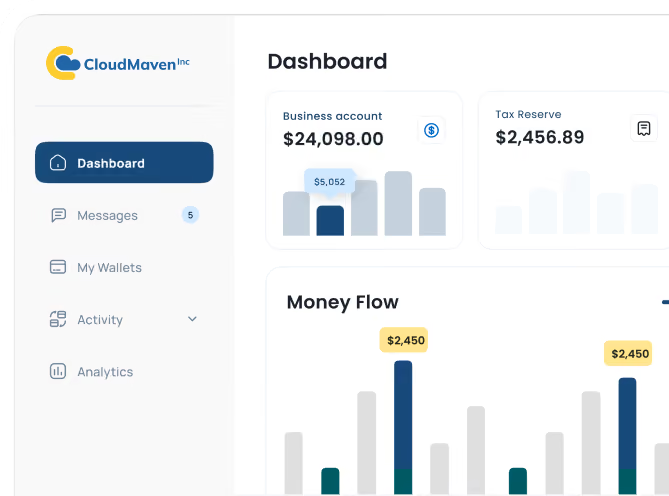
This feature pulls live data from CLEAR to verify identity details in seconds, helping reduce fraud and speed up approvals. It folds smoothly into your Salesforce process, so your team isn’t juggling extra tabs or tools while performing KYC verification.

-p-1080%201.avif)
KYB Verification Uncovers Ultimate Beneficial Owners, Registrations, and Legal Standing
Understanding who you are doing business with takes more than just checking a company name. This feature looks at ownership, corporate structure, registrations, and legal standing to give you a complete picture. Whether you are onboarding a vendor, borrower, or new partner, you can rely on accurate KYB business verification to uncover issues you wouldn’t catch manually.
Sanctions and Watchlist Screening Runs in the Background to Support AML Compliance
Manual compliance checks slow everyone down and often miss subtle gaps. This automated layer handles sanctions screening, watchlist matches, and other risk indicators in the background while supporting AML compliance verification standards. It gives your team the clarity they need without delaying onboarding or creating extra paperwork.
Verified Data Moves Straight Into the Onboarding Workflow Without Repetitive Manual Steps
Bringing customers or partners into your system shouldn’t require hours of back-and-forth. With built-in business onboarding verification, Salesforce handles the heavy lifting, from identity checks to risk review, without forcing your team into repetitive tasks. Everything updates automatically, letting you move applicants forward with less friction.
Automated KYC/KYB Verification Cuts Onboarding Time 32% and Review Hours 27%

Onboarding Resolution Runs 32% Faster With Verification Built Into Salesforce
Organizations using full KYC verification in Salesforce show onboarding times reduced by nearly one-third, freeing teams to do more.

Compliance Teams Spend 27% Fewer Hours on Manual Review per Case
Automating identity verification automation steps cut the time compliance teams spend per case by over a quarter.
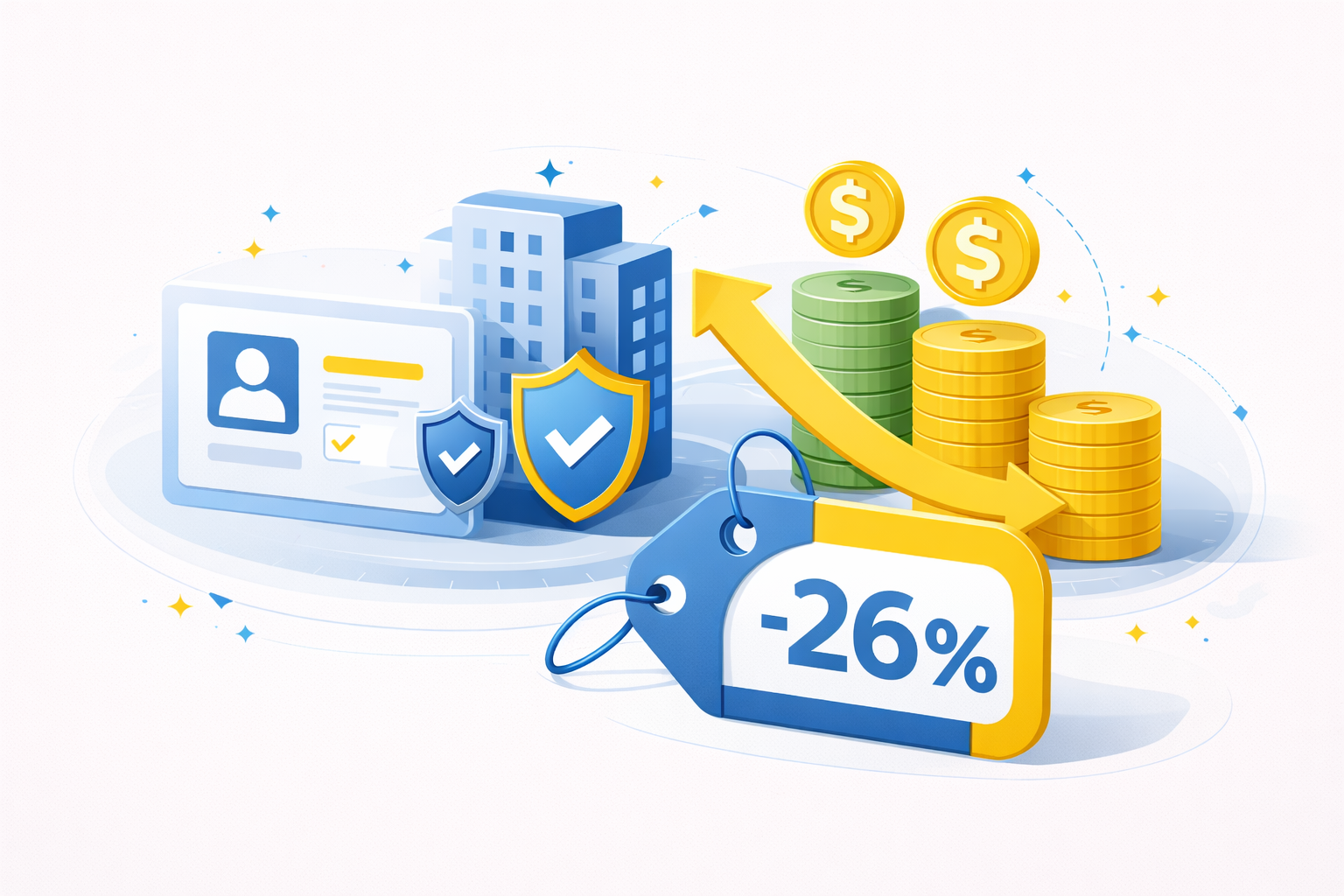
Per-Customer Verification Cost Falls 26% Across Individual and Business Checks
Streamlining business verification across individuals and organizations reduced cost per check by a quarter-plus.
Why Onboarding and Risk Teams Choose Cloud Maven, Inc for KYC and KYB Screening


CLEAR Scores Each Identity and Validates EIN, Death Master File, and Passport MRZ Data
CLEAR generates a configurable identity verification score and validates EINs, Death Master File records, and passport MRZ data.

One Workflow Covers Local and International Applicants Alike
Whether the applicant is local or international, identity and business verification data comes through a unified workflow, keeping onboarding simple no matter where customers operate.

Automated Checks Clear Repetitive Tasks So Reviewers Focus on Decisions
Your team spends far less time chasing documents or validating details. Automated checks clear out repetitive tasks so reviewers can focus on real decision-making.

Every Reviewer Sees the Same Verified Record Inside Salesforce
Everyone sees the same verified information inside Salesforce. No scattered spreadsheets, misaligned notes, or outdated records slowing down decisions.

A Structured, Repeatable Process Keeps Each Verification Audit-Friendly
Each verification, whether KYC or KYB, follows a structured, repeatable process that keeps your compliance posture reliable and audit-friendly.

The System Handles Large Applicant Volumes for Lenders, Marketplaces, and Platforms
The system can handle a large number of applicants at once, making it a fit for lenders, marketplaces, and platforms that onboard at speed.
.png)

Frequently Asked Questions
What is the difference between KYC and KYB verification?
KYC focuses on confirming a person’s identity, while KYB verification deals with validating a business: its owners, structure, and legitimacy. In reality, most companies end up doing both because you need to know who you are dealing with and which entity they represent.
KYC checks cover things like identity, address, sanctions, and risk history. KYB goes deeper into ownership, registrations, licenses, and business risk indicators. Together, they make onboarding far safer and far quicker.
How does KYC verification in Salesforce actually work?
With KYC verification in Salesforce, you are not jumping between five different tools just to validate someone’s details. Everything happens inside the record:
- Identity pulled from authoritative data
- Risk signals flagged automatically
- Results stored directly for audits
It cuts out the usual copy-paste chaos and makes onboarding smoother for both the reviewer and the applicant. Most teams see fewer errors because they are not manually transferring data.
Why is KYB business verification so important for lenders and B2B platforms?
A business can look trustworthy on paper but still have hidden ownership problems or outdated registrations. KYB business verification helps uncover that early. It confirms the company exists, is in good standing, and that its listed owners are actually who they claim to be.
This matters a lot in lending, vendor onboarding, and marketplaces; anywhere a bad actor or unstable company can create financial or compliance risk.
What does identity verification automation actually check?
Identity verification automation usually runs through several layers of data at once: identity details, address history, sanctions screening, and sometimes global watchlists. Instead of someone manually verifying each part, the system compares everything against verified sources automatically. What you get is:
- Faster onboarding
- Fewer manual mistakes
- Clearer risk signals
This consistency makes compliance a lot easier, since the process doesn’t depend on who’s reviewing the case.
How does AML compliance verification fit into onboarding?
AML checks often run quietly in the background during onboarding. AML compliance verification looks for signs that a person or company may be connected to financial crimes, sanctions, or suspicious activity. It is simply making sure you are not accidentally approving a high-risk applicant.
The moment something looks off, Salesforce can flag it so your team can take a closer look. This avoids delays while still keeping the business protected.
Learn. Build. Grow.
August 24, 2026
August 17, 2026
August 10, 2026